Celebrate the ECOWAS Summit—Then Publish the Bill
Sierra Leone’s diplomatic moment deserves recognition. So does the public’s right to know what the summit and its associated infrastructure cost, how they were financed, and what citizens will gain.
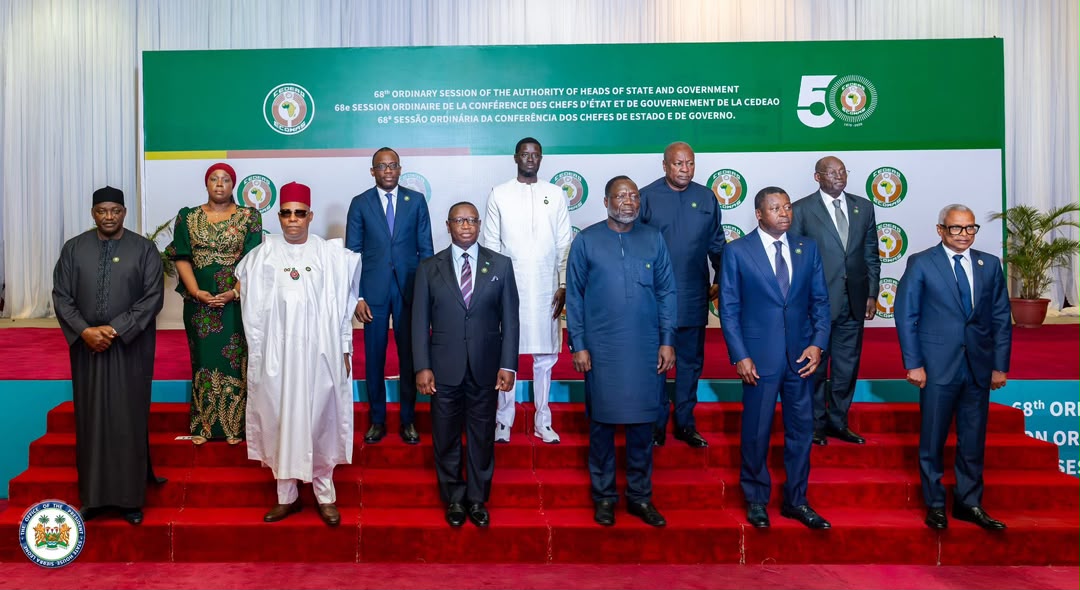
Sierra Leone was right to take pride in hosting ECOWAS’s 2026 mid-year statutory meetings. The programme ran across Freetown and Lungi, culminating in the 69th Ordinary Session of the Authority of Heads of State and Government in Lungi on 19 July 2026. For a country too often noticed internationally because of crisis, the gathering offered a different image: a state capable of convening its neighbours and contributing to regional diplomacy at a difficult time for West Africa.
The summit was not merely ceremonial. According to the official ECOWAS communiqué, leaders addressed regional security, economic integration, infrastructure, digital governance and the proposed ECO single currency. Senegal’s President Bassirou Diomaye Faye also succeeded President Julius Maada Bio as chair of the ECOWAS Authority. These outcomes matter, although implementation will determine their real value rather than declarations.
There is also a credible infrastructure argument. Ahead of the summit, Sierra Leone and ECOWAS commissioned the Julius Maada Bio International Conference Centre and the ECOWAS Logistics Depot in Lungi. ECOWAS says the depot will support peace operations, humanitarian assistance and emergency response. The conference centre could also expand Sierra Leone’s capacity to host regional and international events. If well managed, regularly used and properly maintained, these are assets that may outlast a single summit.
But national pride cannot answer the question of cost. Before the meeting, local reporting attributed an estimated US$86 million commitment by Sierra Leone to government officials and a further US$15 million from ECOWAS member states. After the summit, Chief Minister David Sengeh said the widely discussed US$124 million figure referred to permanent infrastructure rather than the cost of staging the meetings alone. These figures may describe different categories, but the lack of clear communication about the distinctions has led to confusion.
That distinction is essential. The operating cost of a summit is not the same as the construction cost of a conference centre. A grant is not the same as a loan. A public-private partnership is not the same as direct budget expenditure. Nor is an infrastructure asset automatically a waste simply because it was completed for a high-profile event. The responsible questions are more exacting: How much public money was spent? What debt, guarantees or future liabilities were assumed? Who owns and operates the assets? Which contracts were awarded, and under what terms? What will maintenance cost? What revenue and employment are realistically expected?
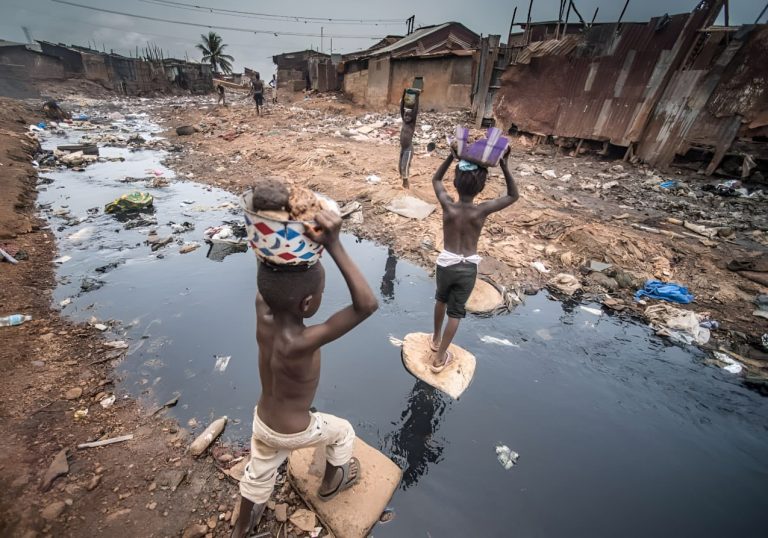
Sierra Leone’s development pressures make those questions unavoidable. The World Bank reports that 35.5 percent of the population had access to electricity in 2023. The government’s own 2026 budget priorities include school electrification, health services, rural energy, agriculture, skills development and public-works employment. In this context, every major prestige investment carries a high burden of proof. It must complement essential services, not quietly crowd them out.
Yet the opportunity-cost debate should also be honest. It is tempting to argue that every dollar associated with the summit could simply have been transferred to hospitals, schools or electricity. Public finance is often complicated. Some funding may have been tied to specific infrastructure, some assets may generate future economic value, and some diplomatic benefits cannot be measured immediately. The stronger criticism is therefore not that the summit was necessarily wasteful. It is that the public has not yet been given a single, accessible account that reconciles the different figures and explains the financing, ownership and expected returns.
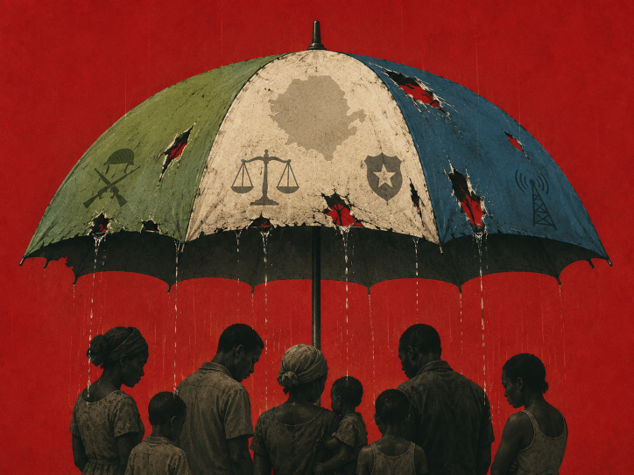
The government can answer that criticism through disclosure rather than defensiveness. It should publish a consolidated project account separating event expenses from capital works; identify grants, loans, equity, guarantees and counterpart funding; disclose the principal contracts and beneficial owners; and provide a realistic operating, maintenance and revenue plan. That request is consistent with Sierra Leone’s own standards. The Right to Access Information Commission calls on public bodies to proactively disclose information, including budgets and procurement, while the Audit Service Sierra Leone is mandated to examine public spending for economy, efficiency and effectiveness.
Transparency would also strengthen the government’s case. If the conference centre attracts regular bookings, the logistics depot improves regional emergency response, and the projects generate sustainable employment, those results should be documented and reported. If the assets become expensive monuments used mainly for official ceremonies, citizens should know that too. Accountability is not an attack on national achievement; it is how achievement is protected from suspicion and how future investments are improved
Sierra Leone should therefore celebrate the summit and demand the receipts. The country does not have to choose between diplomacy and development, or between national pride and public scrutiny. It needs both. The lasting measure of the 69th ECOWAS Summit will not be the grandeur of 19 July or the number of dignitaries who attended. It will be whether the investments made around it are transparently financed, professionally maintained, regularly used and demonstrably beneficial to the people of Sierra Leone.

Neneh Mariam Salfu Conteh is a master’s student in Sustainable Development at the University of Makeni. She holds a degree in Political Science and International Relations and serves as a Volunteer Research Associate at the university’s Governance and Research Centre.
The views and opinions expressed in this op-ed are solely those of the author and do not reflect the official position, policies, or views of any affiliated institution or organisation.
Copyright © 2026 Governance & Research Centre – University of Makeni